The Japanese Idol Economy in 2026: Inside the Oshikatsu Boom

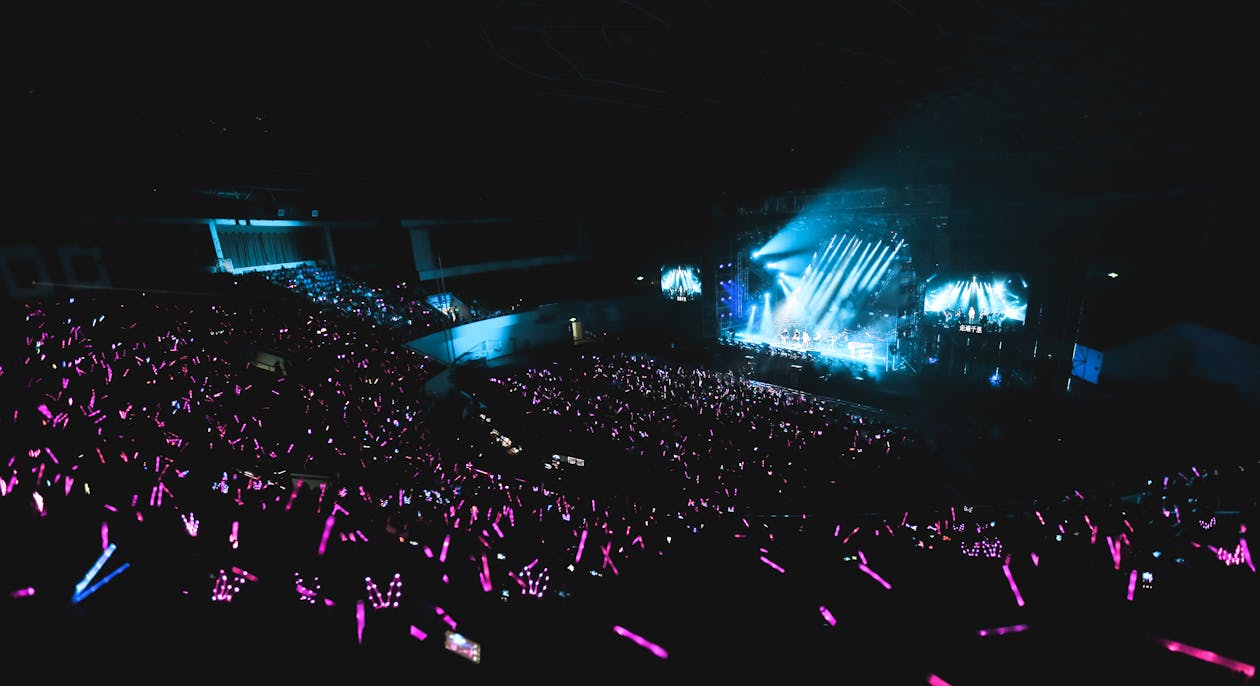
The Japanese idol economy is now a ¥3.8 trillion industry, and most of that spending doesn’t come from teenagers. A 2026 Nomura Research Institute survey found 26 million people aged 15 to 69 actively engage in oshikatsu. That’s the practice of supporting a favorite idol, athlete, or creator (Seoul Economic Daily, April 2026). That’s more than 30% of the working-age population. The number that surprises most analysts is who spends the most. It isn’t Gen Z. It’s Japan’s 50-year-olds.
TL;DR
- Japan’s idol economy hit ¥3.8 trillion (about $25 billion USD) in 2026, with 26 million active oshikatsu fans across the 15-to-69 age range (Seoul Economic Daily, 2026).
- Fans in their 50s spend ¥99,000 a year on average, more than 40s (¥80,000) or 60s (¥70,000).
- Anime tourism, virtual idol concerts, and a category-broadening shift in fan spending are driving the next wave of growth.
What Is the Japanese Idol Economy Worth in 2026?
The Japanese idol economy reached ¥3.8 trillion in 2026, holding flat against persistent inflation. The figure comes from Nikkei data and a Nomura Research Institute fan survey (Seoul Economic Daily, April 2026). At a roughly 150 yen-to-dollar rate, that’s about $25 billion USD. Roughly 26 million people aged 15 to 69 take part in oshikatsu, which is more than 30% of that age bracket.
The inflation resilience is the part economists didn’t expect. Intage market research found 73% of Japanese fans aged 60 and over reported no fan-spending impact from inflation or yen depreciation. More than 50% of fans aged 40 to 70 said the same. Younger fans aged 15 to 39 felt the pinch more, with only about 40% reporting no effect (Seoul Economic Daily, April 2026).
How Did Oshikatsu Reshape the Japanese Idol Industry?
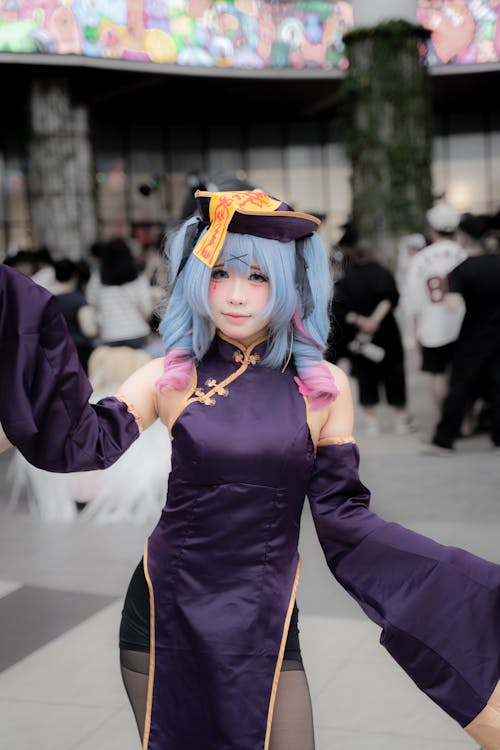
Oshikatsu means “supporting your oshi,” with “oshi” referring to a favorite idol, athlete, character, or creator. The practice used to mean buying CDs, going to concerts, and grabbing a handshake ticket. In 2026, the scope is far wider. The Nomura survey lists six main spending lanes (Seoul Economic Daily, April 2026). They include official merchandise, fan gifts, camera and filming gear, travel to away concerts, support goods, and fan-funded billboards.
Billboard tribute spending alone now ranges from ¥10,000 to ¥500,000 per placement. That’s the upper end of mainstream advertising, paid for by fans rather than agencies. The category isn’t a stunt anymore. It’s a normalized line item.
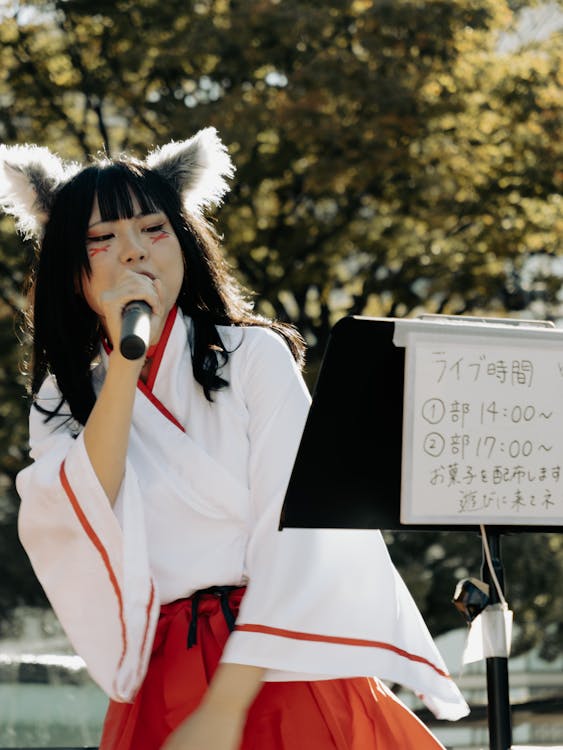
For a fuller primer on oshikatsu itself, see our explainer on what oshikatsu means and how VR enhances the fandom experience. The short version: fan spending is no longer just music revenue. It’s a category economy, and the Japanese idol industry sits at its center.
Why Do Japan’s 50-Year-Olds Outspend Younger Fans?
Japan’s 50-year-olds spend the most on oshikatsu, averaging ¥99,000 a year per person. The figure comes from a Ministry of Internal Affairs and Communications survey (Seoul Economic Daily, April 2026). Fans in their 40s average ¥80,000. Fans in their 60s come in at ¥70,000. The pattern climbs from young adulthood, peaks at age 50, and stays elevated into retirement.
So why do 50-year-olds spend more than people half their age?
A few drivers stack up. Japan’s 50s cohort has higher disposable income than Gen Z and smaller household debt than the 40s. They also carry a deep cultural memory of the idol industry’s golden eras. Many of these fans grew up watching Onyanko Club, SMAP, or early Morning Musume. Their oshi catalog stretches back 30 years. They also tend to spend on quality items rather than volume. Tickets, hotel stays for away concerts, and limited-edition merch hit higher per-unit price points than impulse buys.
The 20s cohort doesn’t spend less because they care less. Nearly half of Japan’s working adults in their 20s engage in oshikatsu (Japan Today, 2025). They spend less because flat wages and rising rents shrink the bucket they can allocate.
Where Does All That Fan Spending Actually Go?
Fan spending used to mean concert tickets and CDs. In 2026, it spreads across at least six visible categories. The Nomura survey identifies merchandise, fan gifts, equipment, travel, support goods, and tribute placements as the main spending lanes (Seoul Economic Daily, April 2026). The category split changes per fandom, but the structure is consistent.
A typical big-spender breakdown looks like this:
- Live event tickets and travel. Concert tickets, theater seats, and travel to away venues. Premium fan tours can run six figures in yen.
- Official merchandise. Acrylic stands, pen lights, plush dolls, photo books, and limited-edition CDs.
- Display merchandise. Ita bags (pin- and badge-covered totes that fans use to show off their oshi), plus shrine setups for room displays.
- Camera and filming gear. Mid-range mirrorless cameras and zoom lenses bought to film concerts and events.
- Fan-funded tributes. Electronic billboards, café takeovers, and birthday display rentals.
- Support goods. Custom uchiwa fans, glow sticks, themed clothing, and accessory sets.
These aren’t niche subcultures. They’re consumer product categories with real purchasing power behind them.

Worth flagging: The shift to display and tribute spending changes how brands enter the fandom economy. A merch partner that ships only standard items leaves money on the table. The fans want acrylic, vinyl, cloth, and pin formats simultaneously, because each format serves a different room or social context. The fandom isn’t one buyer. It’s a buyer who shows up six different ways.
What Role Does Anime Tourism Play in the Idol Economy?
Anime tourism is now a measurable driver of the Japanese idol economy. Trip.com recorded a 697% year-on-year increase in international ticket sales for Anime Japan 2026 (Travel And Tour World, 2026). Buyers came from 82 countries. A 2024 Japan Tourism Agency survey found that 11.8% of foreign visitors named anime and movie-related sites as a primary trip reason. The share of foreign visitors at film and anime locations rose from 4.6% in 2019 to 7.5% in 2023.
The booking spillover is even more visible. Akihabara and Ikebukuro now see an average 10% year-on-year rise in hotel bookings on Trip.com. Odaiba hosts Summer Comiket 2026 in August. It shows a 78% year-on-year jump in hotel bookings during the event window (Travel And Tour World, 2026). More than half of the international ticket buyers for Anime Japan 2026 were between the ages of 25 and 34. That’s the working Gen Z and millennial fan, traveling on disposable income they choose to spend on idols and characters.
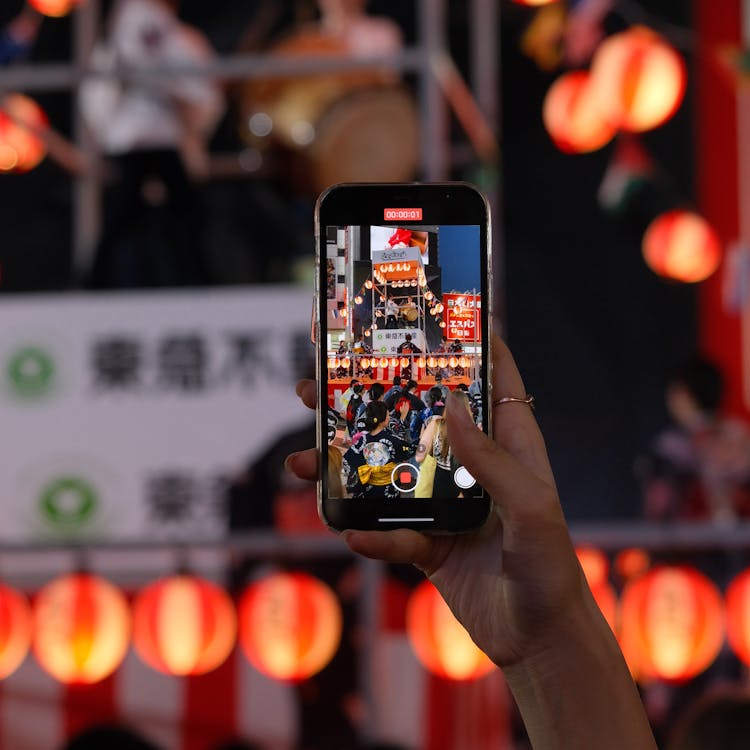
Travel and event spend now overlap with idol spend in ways that didn’t exist a decade ago. A Hello! Project fan flying from Singapore to Yokohama hits six spending lanes in one trip. Those are flights, hotels, ground transit, merch, food, and the concert ticket. The travel category is the most underrated growth lever in the entire fan economy.
How Are Virtual Idols Expanding the Japanese Idol Economy?
Virtual idols are no longer a side category. Hatsune Miku’s Magical Mirai concert series has drawn more than 580,000 cumulative attendees since 2013. That includes 85,000 across three cities in 2025 alone (ORICON News, 2025). The 2026 tour runs across Hamamatsu in July, Osaka in August, and Tokyo in late August. Applications are already through their first lottery cycle (Magical Mirai, 2026).
The economic case for virtual idols sits on three legs. First, they can perform anywhere with the right venue tech, which removes scheduling and travel friction. Second, their merchandise lines mirror live idol economics: acrylic stands, plushies, branded apparel, photo collections, and limited-edition releases. Third, they sit at the intersection of music, anime, and VTuber audiences, which means the fan pool overlaps three established markets.
The VTuber side of the virtual idol economy has crossed mainstream milestones too. Independent VTubers held 50.4% of global watch time in Q1 2026, the first time the indie share crossed the agency share. For a full breakdown, see our May 2026 VTuber news roundup. For the longer arc, see our 30-year history of virtual idol evolution from Hatsune Miku to K-pop AI girl groups.
Where Does VIVERSE Fit in the Next Era of Idol Fandom?
Browser-based virtual concerts are now technically viable for any creator with a VRM avatar or 3D scene. VIVERSE runs in any browser, on any device, with no app install or headset required. That matters for global fan reach. A virtual concert that asks fans to download a launcher loses most of its international audience at the friction step. A concert that opens in a tab doesn’t.
For idol agencies, VTuber agencies, and independent creators thinking about fan-engagement spaces, the no-install option is the lowest-friction format available. A custom Tokyo-style venue, a virtual handshake event, a meet-and-greet world, or a permanent fan room are all buildable today.
If you’re a creator or studio sizing up the build:
- Try the platform. VIVERSE runs in any modern browser. Start by walking through an existing concert or event world.
- See the VTuber and virtual idol guides. VRM avatar import and VTuber rigging 101 cover the technical entry points.
- Apply to the Creator Grants program. The Creator Grants program supports approved projects, be it the start of a new game, wrapping the last leg of game development, or porting an existing game to the web.
- Sign up for the Partner Program. The Partner Program supports creators building and hosting 3D experiences for global audiences on VIVERSE.
The Japanese idol economy is broadening every year. The platforms that work for the next ¥3.8 trillion will meet fans where they already are. That’s in their browser and on their phone.
Frequently Asked Questions
What does oshikatsu mean?
Oshikatsu means “supporting your oshi,” with “oshi” referring to a favorite idol, athlete, character, or creator. The practice covers concert attendance, merchandise purchases, fan-funded billboards, and travel to events. Roughly 26 million Japanese people aged 15 to 69 take part in oshikatsu, more than 30% of the working-age population (Seoul Economic Daily, 2026).
How much do Japanese idol fans spend per year?
Average annual oshikatsu spending in Japan varies by age. Fans in their 50s spend the most at ¥99,000 a year. Fans in their 40s spend ¥80,000 a year. Fans in their 60s spend ¥70,000 a year, according to a Ministry of Internal Affairs and Communications survey (Seoul Economic Daily, 2026). Big-spender fans well outpace these averages.
What do oshikatsu fans spend money on?
Oshikatsu spending spreads across six main categories: official merchandise, fan gifts, camera and filming gear, travel to concerts and events, support goods, and fan-funded tribute placements like billboards and café takeovers. Billboard tributes alone can range from ¥10,000 to ¥500,000 per placement. Display merchandise like ita bags (pin- and badge-covered totes) has also crossed into mainstream streetwear (RADII, 2026). The category isn’t one buyer with one habit. It’s the same fan showing up six different ways.
Are virtual idols part of the oshikatsu economy?
Yes. Virtual idols like Hatsune Miku and the broader VTuber category sit firmly inside the oshikatsu economy. The Magical Mirai concert series has drawn more than 580,000 cumulative attendees since 2013, with 85,000 in 2025 alone (ORICON News, 2025). Virtual idol merchandise, concert tickets, and fan tributes follow the same spending patterns as live idol fandom.
What This Means for Creators
The Japanese idol economy isn’t slowing down. ¥3.8 trillion held through inflation, the spending base broadened from teen fans to middle-aged professionals, and virtual idols pulled in their own audience without cannibalizing the live one. For brands, agencies, and creators building for global idol and fan audiences, the practical takeaway is structural. Plan for fans across six categories, not one. Plan for an audience that spans 15 to 69, not 15 to 25. Plan for international travel demand and browser-first event access.
If you want to build a virtual concert, a fan world, or a creator-led idol space that opens in a browser, VIVERSE is open for creators today.