VTuber Model Pricing in 2026: How Much Does a Custom 2D or 3D Avatar Actually Cost?


A custom VTuber model in 2026 costs anywhere from $0 to over $10,000. The honest answer depends on three things. Are you going 2D Live2D or 3D VRM? What rigging features do you actually need? Are you willing to build the avatar yourself? The VTuber industry has never been bigger. Cover Corp posted record ¥43.4 billion revenue in FY2025/3 (Cover IR via Logmi, 2025). ANYCOLOR grew net sales to over 50% in the first half of FY2026. VTuber EXPO 2026 ran May 3-4 in Akihabara, marking the first dedicated VTuber experience exhibition of its kind in the world. The new-entrant wave is real, and so is the confusion about what an avatar actually costs. Here’s the 2026 pricing breakdown.
TL;DR
- 2D Live2D vtuber model tiers: Basic $200-$500, Mid $500-$1,500, Pro $2,000-$5,000+ (vtubermodels.com, 2026)
- 3D VRM tiers: Basic $300-$800, Mid $800-$2,500, Pro $3,000-$10,000+
- VRoid Studio is fully free and exports VRM 1.0, giving creators a $0 starting point
- Live2D Cubism FREE caps at 30 parameters, the upgrade trigger for most serious 2D rigs
- 11,400+ active VTuber channels tracked globally in Q1 2026 (StreamsCharts, 2026)
How Much Does a VTuber Model Actually Cost in 2026?
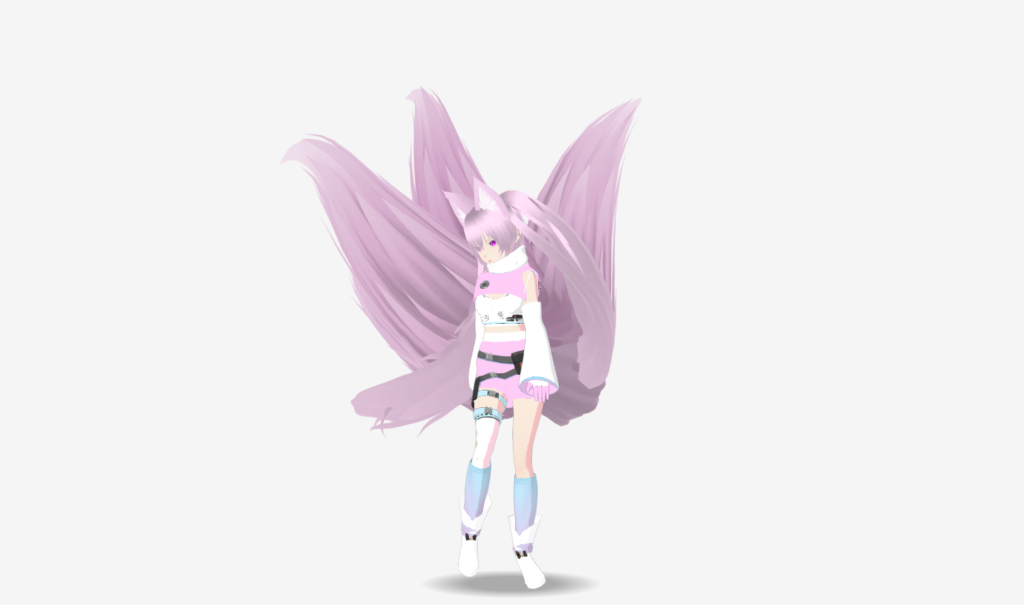
The realistic 2026 range is $0 to over $10,000 per VTuber model. Most new VTubers spend between $200 and $1,500 for a serviceable 2D Live2D rig (vtubermodels.com, 2026). Free is possible if you use VRoid Studio and accept the trade-offs. The high end is reserved for pro-tier rigs with custom physics, full body tracking, and multiple outfits.
Three pricing tiers cover most commissions in 2026. Basic-tier 2D Live2D rigs run $200 to $500. They include the character art, a single resting expression, basic eye blink, and a small set of triggered emotes. Mid-tier 2D rigs run $500 to $1,500. You get multi-layer expression sets, breathing animations, and improved physics on hair and clothing. Pro-tier 2D rigs run $2,000 to $5,000 and up. You get advanced physics, full hand tracking, swappable outfits, prop integration, and idle animations.
3D pricing sits one tier higher across the board. Basic 3D rigs start at $300 to $800. Mid-tier 3D runs $800 to $2,500. Pro-tier 3D starts at $3,000 and routinely hits $10,000 or more (vtubermodels.com, 2026).
What’s the Difference Between 2D Live2D and 3D VRM Pricing?
The biggest pricing split is format. 2D Live2D models start cheaper and ship faster. 3D VRM models cost more upfront but unlock full-body motion, VR, and reuse across many platforms. Live2D Cubism FREE caps at 30 parameters, 30 parts, and 100 ArtMesh elements (Live2D, 2026). That ceiling is the upgrade trigger for most serious 2D rigs.
2D Live2D rigs use rigged 2D illustrations driven by face tracking. They look great on stream. They don’t translate to VR, AR glasses, or browser worlds. 3D VRM is the open standard for full-body avatars. VRM exports work in VTube Studio, Warudo, Cluster, VIVERSE, and most browser-based 3D platforms. If you plan to host meet-ups in browser worlds or use a VR headset, 3D is the better long-term investment.
What Actually Drives a VTuber Model’s Price?
A VTuber model’s price scales with rig complexity, not just art quality. Six factors move the bill the most. Expression count, lip-sync layers, physics simulation, hand tracking support, alternate outfits, and commercial licensing. Each one adds real production time on top of the base rig.
Expression sets push pricing fast. A basic rig includes one neutral pose with blink. A mid-tier rig adds anger, joy, sadness, surprise, and a few custom emotes. A pro-tier rig can ship 20+ triggered expressions, each requiring its own deformer setup. Adding individual emotes typically runs $20 to $200 each at the rigger level (vtubermodels.com, 2026).
Physics is the second big driver. Hair physics, clothing physics, breath simulation, and chest physics all require collider setup and tuning. Hand tracking adds another layer because most setups need finger joints rigged separately. Adding alternate outfits costs $50 to $500 each and effectively doubles the rig work on the affected parts.
Then there’s licensing. Commercial-use licensing is standard for sponsored streams or membership tiers. Some riggers charge a flat upcharge. Others scale with expected channel revenue. Confirm the license terms in writing before paying any deposit.
Can You Get a VTuber Model for Free?
Yes, the free path is real. Two strong options stand out in 2026. VIVERSE offers a free Stylized Avatar creator that exports ARKit-ready VRM 1.0 files straight from your avatar list. Those files work in VTube Studio, Warudo, and any app that supports VRM import. VRoid Studio from Pixiv is also free and exports VRM 1.0 models (VRoid, 2026). You can build a complete 3D anime-style avatar in a few hours. Customize hair, clothing, and facial features, then export a working VRM file. The Closet feature added December 4, 2025, expanded the outfit library further. For solo creators starting out, this is the most cost-effective path in 2026.
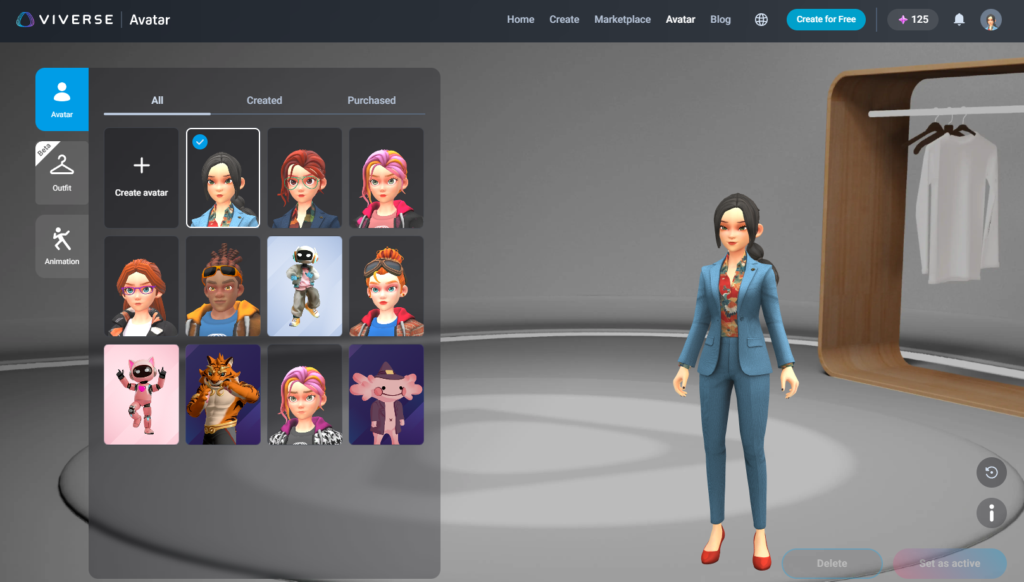
The trade-offs are real. VRoid avatars share a recognizable art style that experienced viewers spot quickly. Customization tops out below what a commissioned model offers. Animation parameters are limited compared to a fully rigged Live2D or custom 3D model. But the model works in VTube Studio, Warudo, VIVERSE, and most browser-based VRM viewers. For a $0 starting point, that’s a strong functional floor.
There’s also a hybrid free path. Build the base in VRoid, then commission an artist for texture work or a rigger for advanced parameters. This drops total cost to the $100 to $500 range while still delivering a more personalized look than stock VRoid. Many indie VTubers run this exact playbook for their first six months on stream.
Live2D has a free tier too, but with hard limits. Cubism FREE caps at 30 parameters and a 1280×720 export resolution. That’s enough to test the workflow. It isn’t enough to ship a streaming-quality model with multiple expressions and detailed physics. Most serious 2D creators upgrade to Cubism PRO within the first commission cycle.
Where Should You Commission a VTuber Model in 2026?
Three platforms cover most commercial commissions in 2026. Fiverr offers the widest price range, BOOTH dominates the Japanese indie market, and Nizima is the official Live2D marketplace. Direct riggers via Twitter/X, Bluesky, or Discord work too but require more vetting. Commission timelines run 3-7 days for a face-only Live2D rig and 4-8 weeks for advanced 3D (draw.market, 2026), but this can vary per rigger and/or creator.

Fiverr is the largest English-language marketplace by listing count. Entry-tier Live2D gigs there start at $15 to $40. That price floor is tempting, but verify what’s actually included. Many sub-$50 gigs ship a single drawing with no rigging at all. Mid-tier Fiverr gigs around $100 to $250 produce a serviceable rig. Pro-tier listings on Fiverr commonly hit $350 and above for premium art plus rigging combined.
BOOTH is Pixiv’s marketplace and the default for high-quality Japanese commissioners. Listings are mostly in Japanese, but pricing transparency is excellent and the quality bar is high. Many top Live2D riggers list there. Nizima is run by Live2D Inc itself and connects buyers with vetted Live2D-specialist riggers. The platform is smaller but quality is consistent.
For 3D commissions, BOOTH again leads for Japanese work. Indie creators often source riggers directly through community Discord servers tied to VRoid Hub and VRChat. Always check the rigger’s portfolio before paying. Confirm the deliverable file format, expression list, physics setup, and commercial-use terms in writing. Reputable commissioners require a 30-50% deposit and provide a written scope document.
Frequently Asked Questions
How much does a VTuber model cost on average in 2026?
Most new VTubers spend $200 to $1,500 on their first model. Basic 2D Live2D rigs run $200 to $500, mid-tier $500 to $1,500, and pro-tier $2,000 to $5,000+ (vtubermodels.com, 2026). 3D VRM pricing sits one tier higher across the board, reaching $10,000+ for premium full-body rigs.
Is a 2D Live2D model cheaper than a 3D VRM model?
Yes, 2D Live2D is cheaper at every tier. Basic 2D starts at $200 while basic 3D starts at $300. The bigger gap shows up at the pro tier. 3D pro models commonly hit $10,000+ compared to $5,000+ for top-end 2D. 3D models also take longer to deliver, averaging 4-8 weeks for advanced rigs.
Can I get a VTuber model for free?
Yes. VIVERSE’s free Stylized Avatar creator exports ARKit-ready VRM 1.0 files that work in VTube Studio, Warudo, and any VRM-compatible app. VRoid Studio is free and also exports VRM 1.0 models (VRoid, 2026). Both are solid $0 starting points.
Where can I commission a VTuber model in 2026?
The three main platforms are Fiverr, BOOTH, and Nizima. Fiverr offers the widest price range at $15 to $1,000+. BOOTH is the Japanese marketplace with high quality. Nizima is the official Live2D rigger directory. Direct commissions via Twitter, Bluesky, or Discord also work but require more vetting. Confirm portfolio, file format, expression list, and commercial rights in writing before paying any deposit.
Why do VTuber models cost so much?
Pricing scales with rigging complexity, not just art. Each expression, physics simulation, hand-tracking joint, and alternate outfit adds production time. Pro-tier rigs can take 8-12 weeks of specialist work (draw.market, 2026). Commercial-use licensing is standard for sponsored streams and adds a typical 20-30% upcharge over personal-use rates.
What’s the Right Budget for Your First VTuber Model?
There’s no single right number for VTuber model pricing in 2026. The right answer depends on your goal. If you’re testing whether streaming is for you, start free with VRoid Studio and upgrade later. If you’re committed to growing a 2D channel, budget $500 to $1,500 for a mid-tier Live2D rig. That covers solid expressions and physics. If you want to host browser meet-ups or ship to VR, invest in 3D. Budget $800 to $2,500 for a mid-tier VRM with cross-platform reach. The VTuber market keeps growing, with global revenue projected at $7.26 billion in 2026 according to one market estimate (Global Growth Insights, 2026). New entrants finally have a clear path on what an avatar should cost.