How Wal-e Visual is training a new generation of immersive technology creators, one university at a time

By the Wal-e Visual team
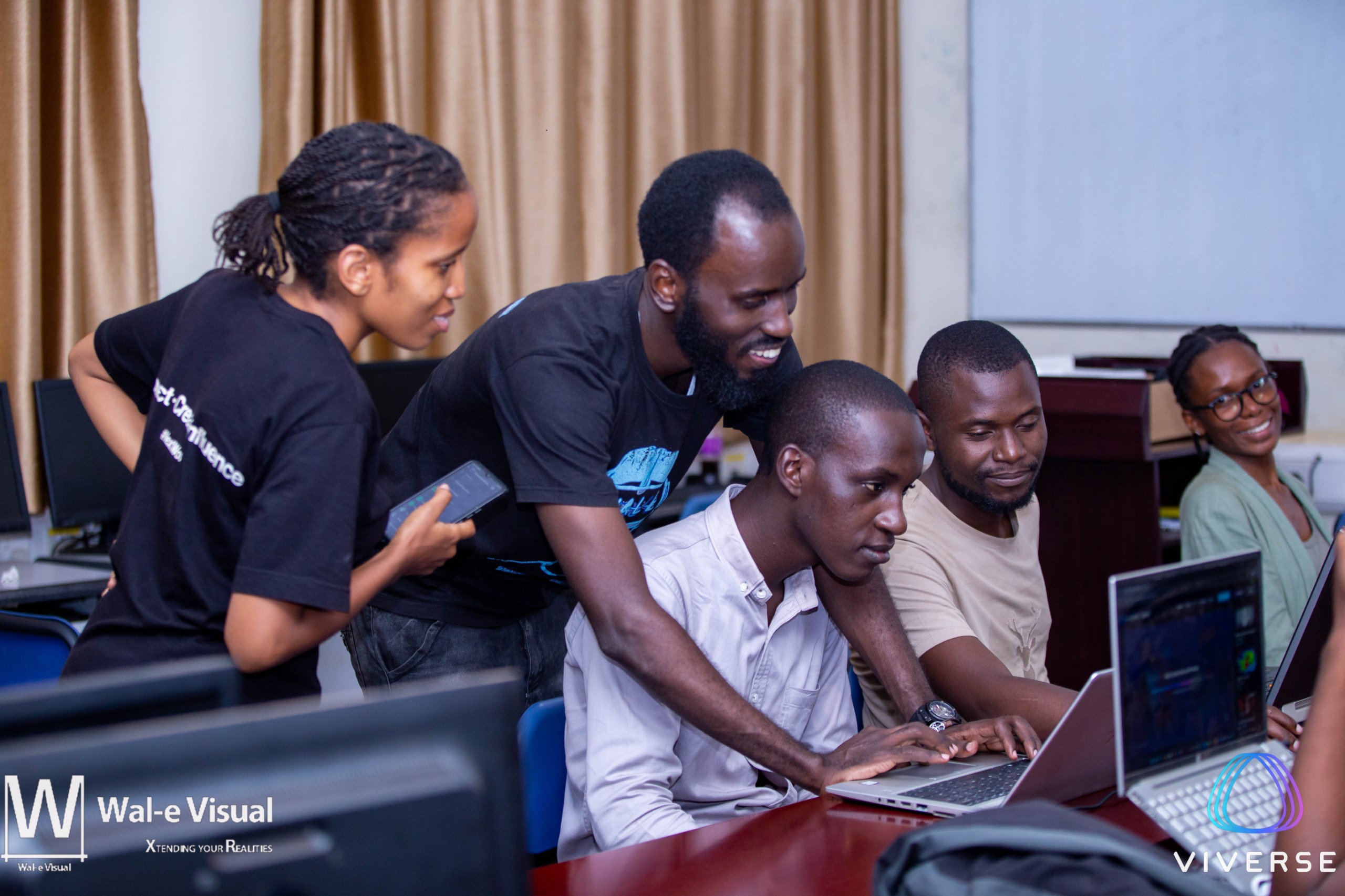
There is a moment, familiar to anyone who has put on a Virtual Reality (VR) headset for the first time, when the world shifts. The room disappears. Something new takes its place. For many Ugandan university students who participated in the Immersive XR Bootcamp 2026, that moment was not just personal, it was professional. They stopped seeing extended reality as something that happens to them and started seeing it as something they could build.
Bringing XR training to campuses across Uganda
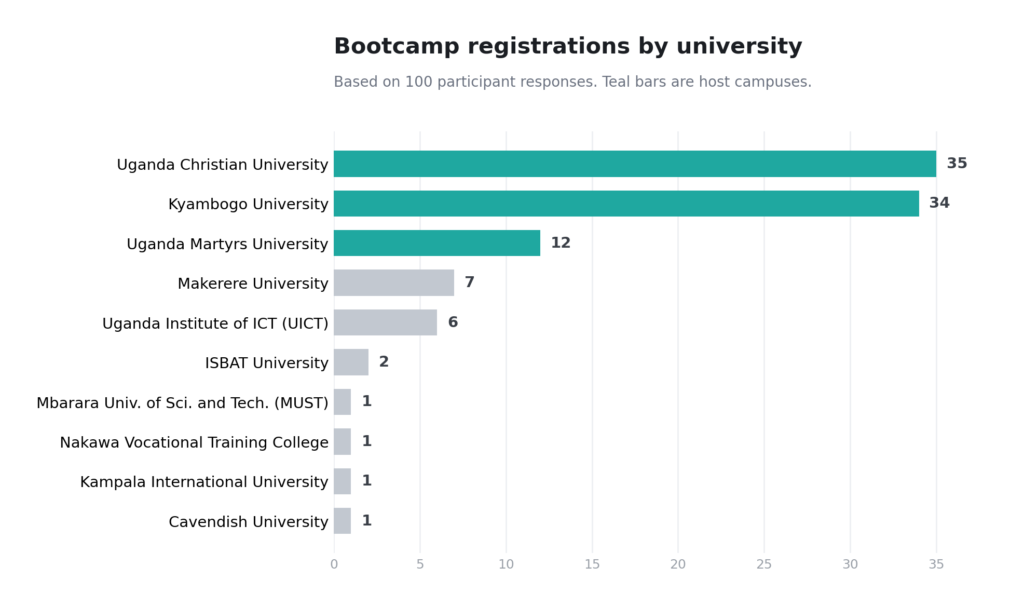
The bootcamp, led by Ugandan immersive technology company Wal-e Visual in partnership with global platform VIVERSE and the National ICT Innovation Hub, brought hands-on extended reality (XR) training directly to university campuses across the country. These included Kyambogo University (Kampala), Uganda Christian University (Mukono), and Uganda Martyrs University (Nkozi), bringing together 100 students to learn about virtual reality development with VIVERSE. Other universities that applied for the bootcamp include Cavendish University, Kampala International University, Nakawa Vocational Technical Institute, Uganda Institute of Information and Communications Technology (UICT), and Makerere University, showing the rapid, unmet need for immersive media training in the country.
The students came from all ranges of study backgrounds such as architecture, computer science, environmental design, interior design, tourism, automobile engineering, and graphics design, among others. The common denominator? Almost none of them had any background in extended reality.
A gap in access, addressed directly
Extended reality, the umbrella term for VR, augmented reality (AR), and mixed reality experiences, has long been discussed as the next frontier of digital interaction. What has been missing, particularly in markets like Uganda, is structured, practical access for young creators who want to build within that frontier rather than simply consume it.
The Immersive XR Bootcamp 2026 addressed that gap directly. Sessions introduced students to the fundamentals of immersive experience design, from accessible no-code creation tools to more advanced development environments including Unity, PlayCanvas, Three.js, and WebXR. Participants were not just shown what XR can do, they were guided through the process of designing, building, and publishing their own immersive experiences.
The curriculum deliberately stretched across disciplines. Architecture students discovered how to create interactive building models that let clients walk through a space before a single foundation is laid. Education-focused participants explored how XR can make abstract concepts, in science, anatomy, or technical training, tangible and memorable. Gaming and storytelling communities found pathways from casual interest to active creation, including sessions that connected immersive tools to the documentation of African histories and authentic local narratives. Additionally, support was provided in more areas such as business communication, portfolio building, and advanced rendering techniques, to ensure well-rounded training beyond just building these immersive experiences.
The vision behind all of it, according to the team at Wal-e Visual, is straightforward but ambitious. “We are not just introducing students to a new technology. We are inviting them into a new role, as designers and creators of digital experience, not just users of it,” said Jacob Mwesigwa, Founder of Wal-e Visual. “XR is already transforming education, architecture, tourism, health training, and industry. We want Ugandan students to be part of building that transformation, not watching it from the outside.”
A bootcamp delivered across institutions
The 2026 bootcamp was delivered across multiple institutions, each bringing its own character to the experience.
Uganda Christian University
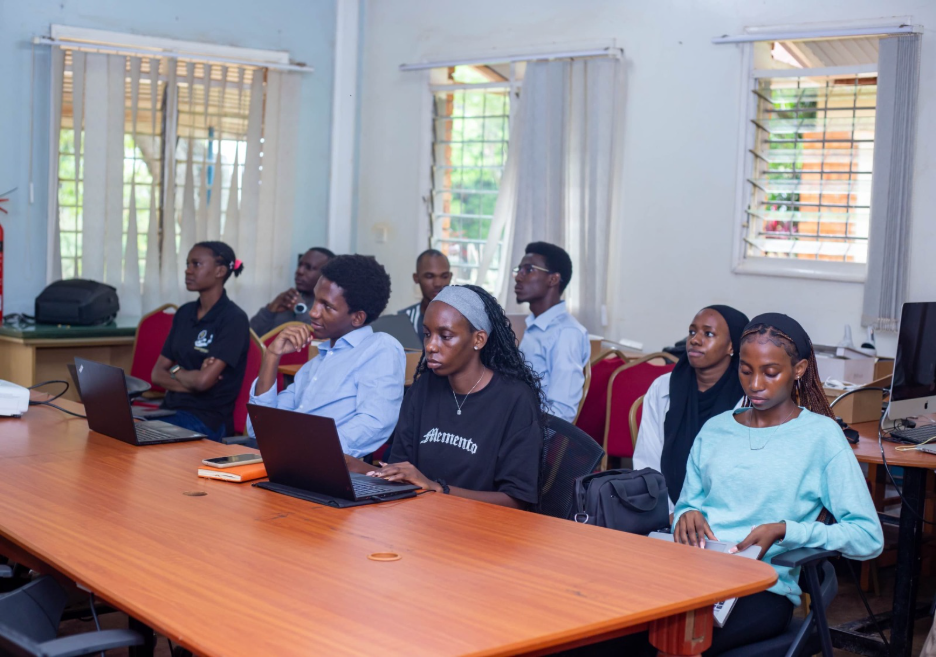
At Uganda Christian University (UCU), the Game Engineering and Augmented Reality UCU Chapter provided a ready-made community of students who arrived with enthusiasm and left with skills. For many, the sessions developed an existing interest into something more structured, a real understanding of how the tools they had heard about actually work and what they make possible.
Mirembe Peace, president of the Game Engineering and Augmented Reality UCU Chapter, represented a cohort of students who have long been drawn to interactive technology, but who previously lacked a clear pathway into XR creation. The bootcamp gave that chapter a new layer of purpose: gaming and immersive design as a craft worth developing seriously.
Kyambogo University
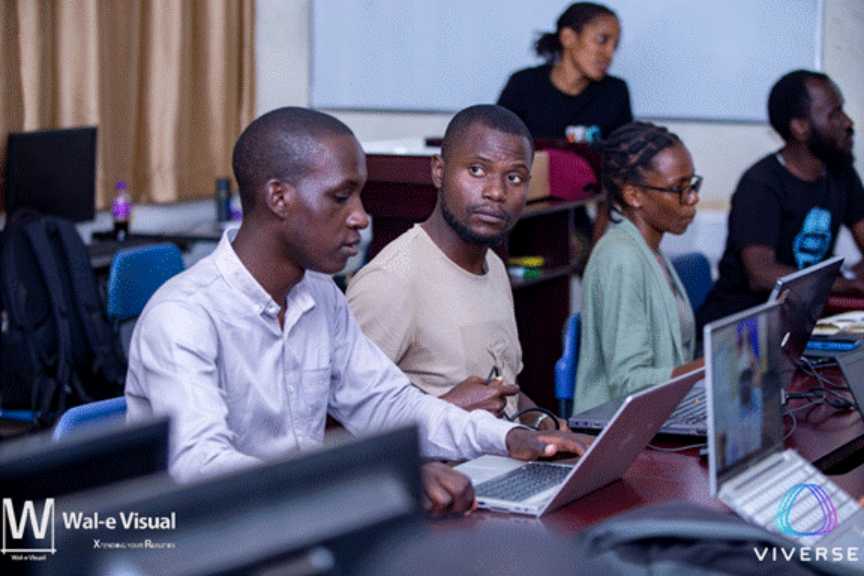
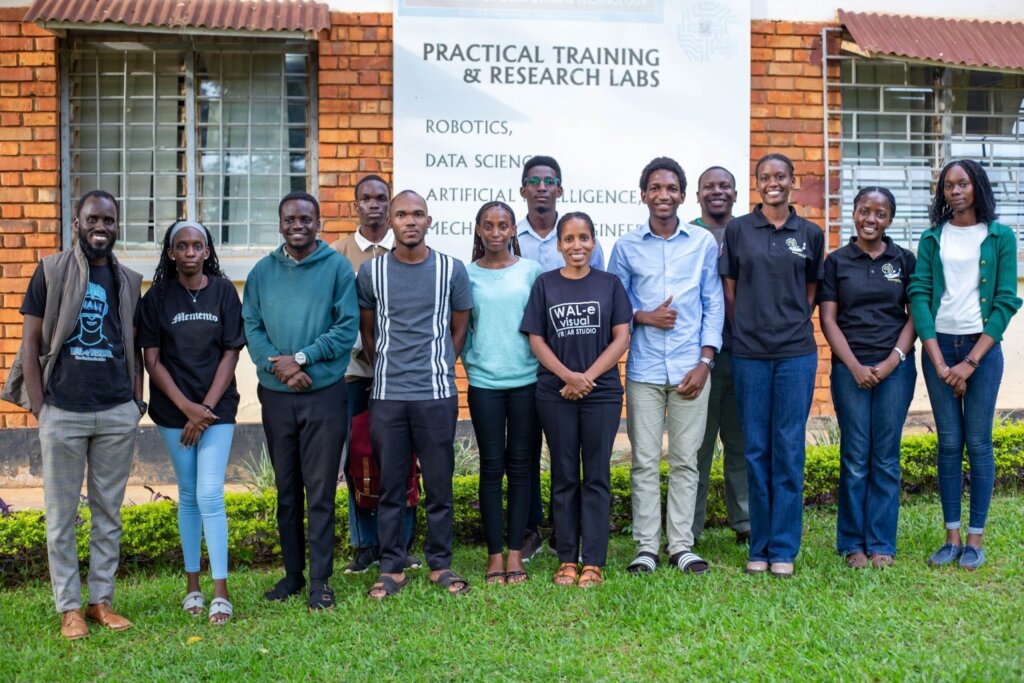
At Kyambogo University, the bootcamp found a compelling use case in architecture. Musinguzi Thadeus, a student, came to the sessions with a specific professional problem in mind: how do you help a client truly understand a building that does not yet exist? XR, he found, offers a compelling answer. “Rather than relying on drawings and scale models, immersive visualization allows clients to experience a space in three dimensions, walk through rooms, and engage with design decisions in a way that flat presentations simply cannot replicate,” Musinguzi explained.
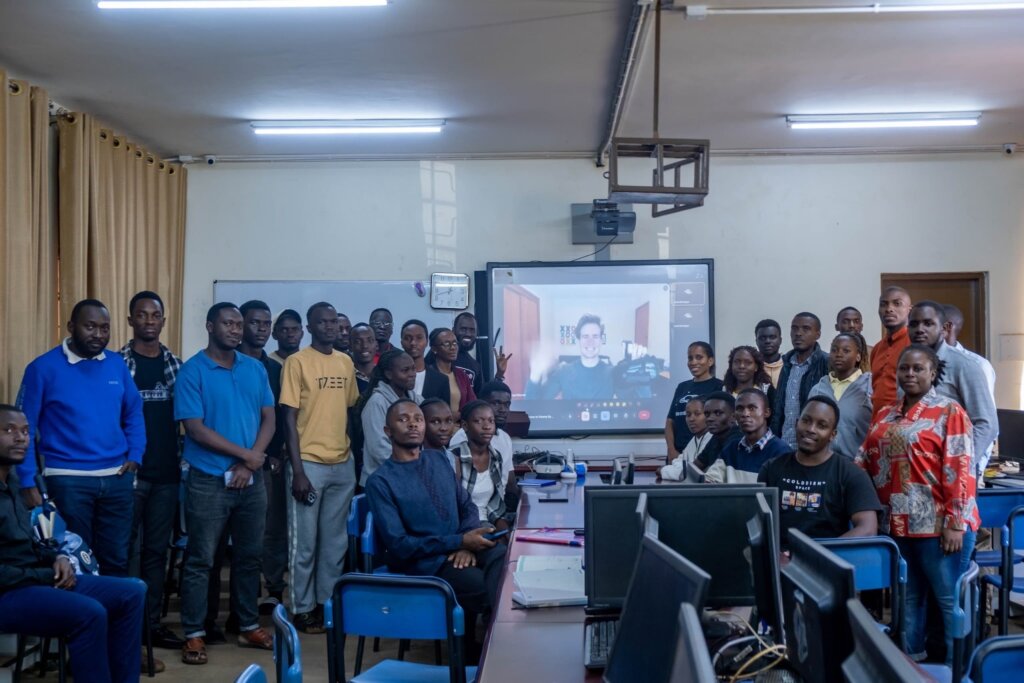
Uganda Martyrs University (Nkozi)
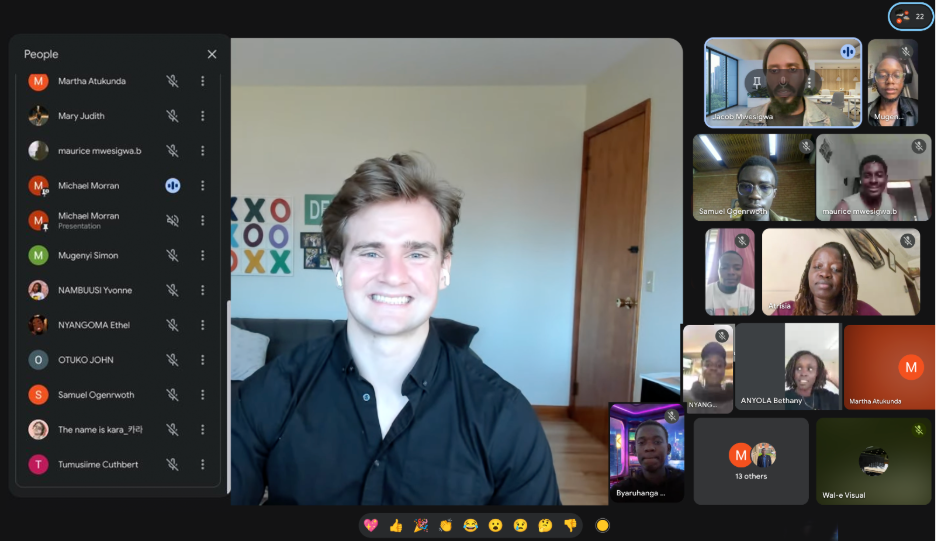
Uganda Martyrs University (UMU) added a different dimension entirely: the first online XR Bootcamp session demonstrated that this program does not have to be limited by geography or physical venue. Students from UMU joined a remote session, and in doing so helped prove that the model is scalable and that a national creator community around XR is not only possible, but already forming. Special thanks to Michael Morran, Creator Relations Manager at VIVERSE, who joined a live video chat where he introduced VIVERSE and its vision to the students and participants throughout the bootcamp at all university venues.
Building a pipeline, not a one-off
Uganda has a young population, a growing technology sector, and an innovation ecosystem that is slowly but steadily maturing. What it has lacked, in XR specifically, is a pipeline: a structured pathway from student curiosity to creator competence to industry participation.
The Immersive XR Bootcamp 2026 is an attempt to build that pipeline. It does so with the support of credible partners: VIVERSE provides the platform infrastructure that allows learners to build and share virtual worlds, while the National ICT Innovation Hub connects the program to Uganda’s broader digital skills and innovation agenda, lending it institutional weight and national relevance.
The industries where XR is already proving its value, including real estate, tourism, automotive, healthcare, product design, broadcasting, and education, are all sectors where Ugandan professionals and entrepreneurs could be participating more actively. The bootcamp is, in part, a bet that giving students the skills and the confidence to work in immersive technology will produce a cohort of creators who develop local solutions for local industries, rather than importing expensive international expertise.
“The goal is not to train students to use someone else’s tools on someone else’s terms,” Martha Atukunda, Operations Manager at Wal-e Visual, explained. “It is to build enough local depth that Ugandan creators are defining what XR looks like here, telling African stories, solving African problems, and building for African contexts.”
It positions the bootcamp not as a technology adoption exercise, but as a cultural and economic one. The question it asks is not simply can Ugandan students learn XR? The answer to that has already been demonstrated. The more important question is whether the skills built here will compound over time into something larger: a generation of creators who are genuinely shaping the immersive layer of the digital world.
A single bootcamp cohort does not transform an industry. But it does something equally important: it changes what people believe is possible. Students who arrived uncertain about whether XR was relevant to their field left having built something real, having connected with a community, and having seen, firsthand, that immersive technology is not a distant or inaccessible domain.
The bootcamp also invited some local XR practitioners such as KeepersXR, represented by Lorna Okeng, and Ugaverse, represented by Nantaba Elsie, who shared their experience in developing XR in Uganda’s local context.
Wal-e Visual’s education arm, Woli Soma, supports the longer-term vision of visual and practical learning, suggesting that the XR Bootcamp is not a one-off event but part of a sustained commitment to building this kind of skill across Ugandan institutions.
What the students built
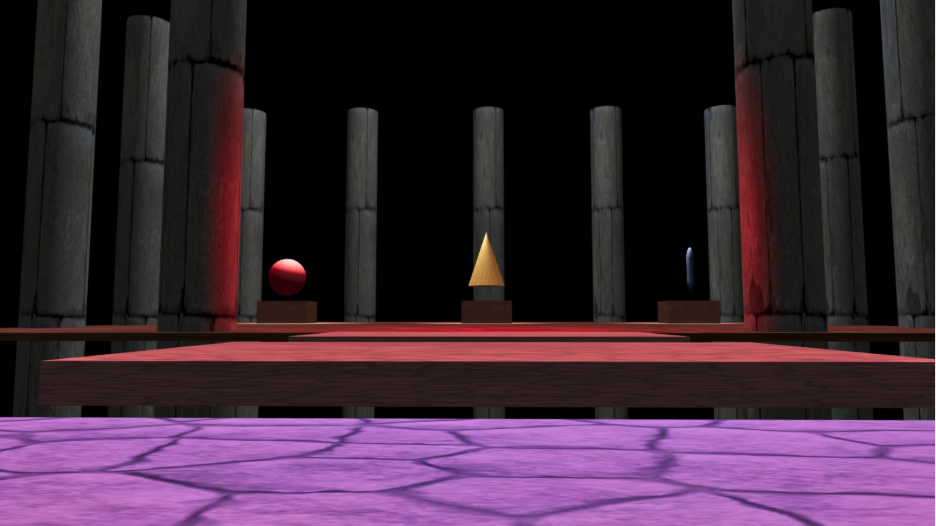
For the students who participated, the architecture student imagining his clients standing inside buildings that do not yet exist, the chapter president who now sees her community’s passion as a creative foundation, the online participants who joined from across the country, the bootcamp was a beginning.
Here are a few of the worlds they have already published on VIVERSE:
- Retreat cabin, by Joshua Mooli Weteeka (Uganda Martyrs University)
- My First Dungeon, by Ian Joel Kairu (Uganda Martyrs University)
- Black History Month Gallery, by Ethel Amooti Nyangoma (Uganda Martyrs University)
- Muduwa Angel’s demo house, by Muduwa Angel (Uganda Christian University)
- A world by Emmanuel Walimbwa (Kyambogo University)
What comes next
These first worlds are only the beginning. The more interesting story is what these creators build next, and the same browser-based tools that made these projects are open to anyone who wants to start.
The Immersive XR Bootcamp 2026 was delivered by Wal-e Visual in partnership with VIVERSE and the National ICT Innovation Hub, with guest sessions from KeepersXR and Ugaverse.