When Travel Becomes Three-Dimensional: I Used Marble to Create a Walkable Lisbon Photo Exhibit on VIVERSE

By: Travis, Post-Wave Team
The endless stream of Instagram Stories reflects something pretty universal: people want to share what they felt in the moment, not just what they saw. You’ve probably had that moment yourself, standing somewhere iconic, feeling like your brain is trying to store everything at once. Then you pull out your phone, chase the perfect shot, and end up with a handful of images that still don’t quite capture the experience. They’re beautiful, but they’re lacking the essence of the moment.
Photography is fun, and getting the shot feels great. But a photo can also feel pretty flat once you’re back home, because you’re staring at a flat rectangle that can’t hold the space you were actually in. That’s what kept nagging at me. Do our travel memories really have to stay trapped in 2D?
World Labs Marble review: generating 3D worlds from a single image
A month ago, a colleague from VIVE Mars suggested I apply to take part in Marble’s beta testing (it’s now live). Marble is a World Labs tool that generates explorable 3D worlds from prompts and media. After giving it a spin, I genuinely felt my imagination expand. In the future, we won’t need a thousand words to describe a scene, nor will we need to buy ultra-wide-angle lenses just to cram everything into the frame.
World Labs is the startup founded by the “Godmother of AI,” Fei-Fei Li. At a time when Large Language Models (LLMs) are being questioned for hitting a plateau, she has chosen to return to her roots in AI vision, pushing towards “Spatial Intelligence.” Her argument is simple: while text can describe the world, it is far from being the world itself. To reach AGI (Artificial General Intelligence), AI must understand 3D space. Previously, we had to use video to create a realistic 3D Gaussian splat (3DGS) scene. We share our experience using video and 3DGS to recreate a room. With World Labs’ Marble, this process has simplified by using Spatial Intelligence, achieving the magic of “generating a 3D world from a single image.”
So, I dug up my travel photos from Lisbon this past October. Taking advantage of the Marble beta, I had a field day generating over a dozen 3D scenes.
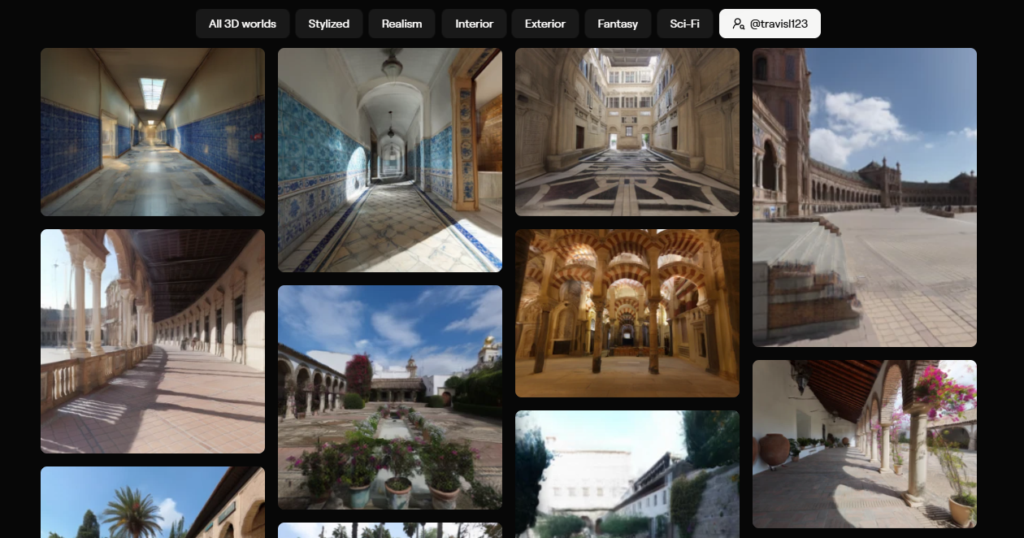
Then, a lightbulb went off.
Why not dump all these 3D worlds into VIVERSE? Why not host a virtual photography exhibition?




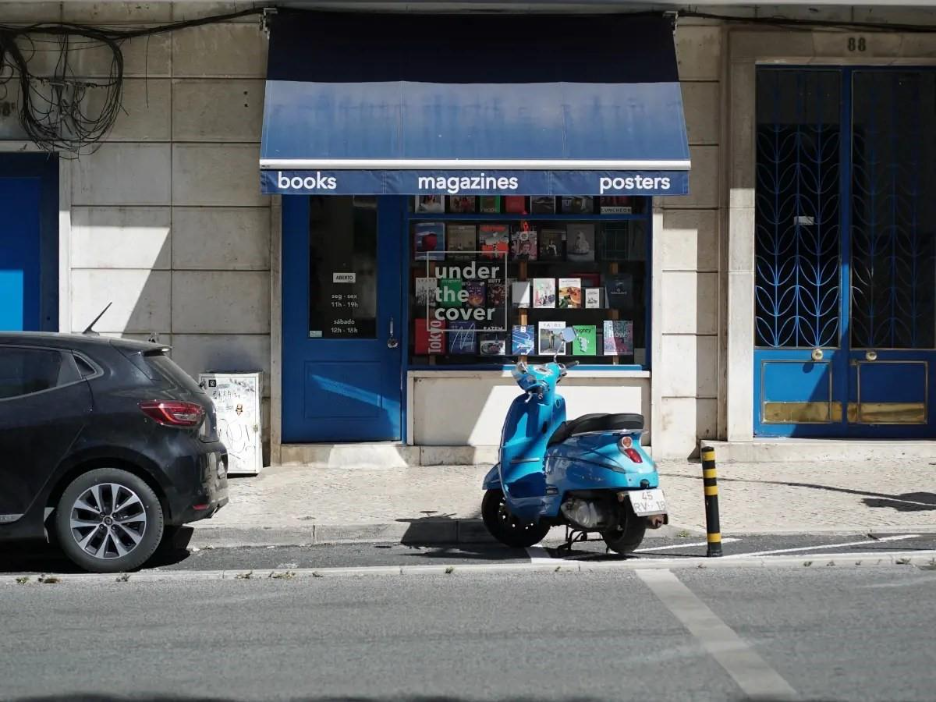
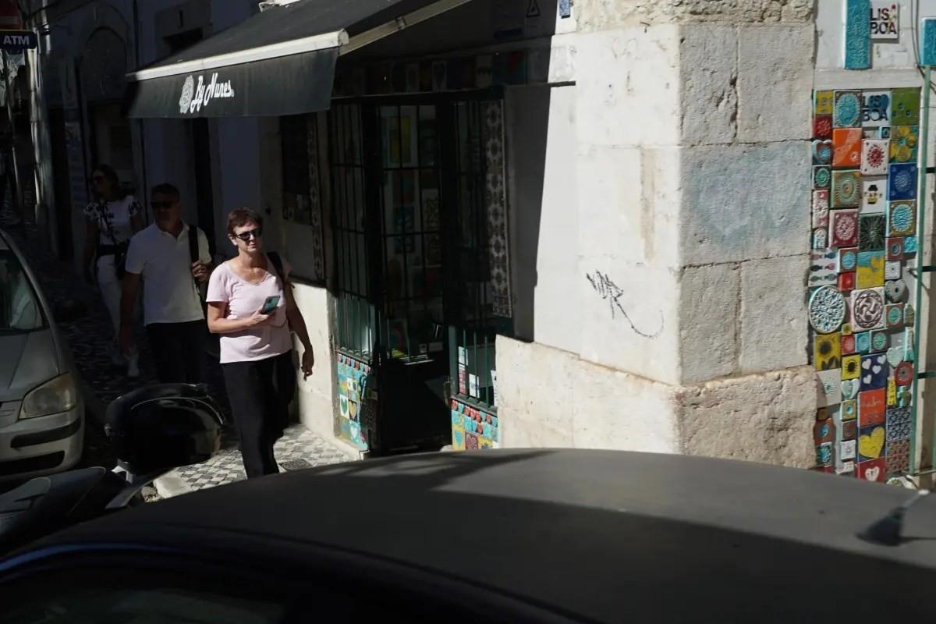
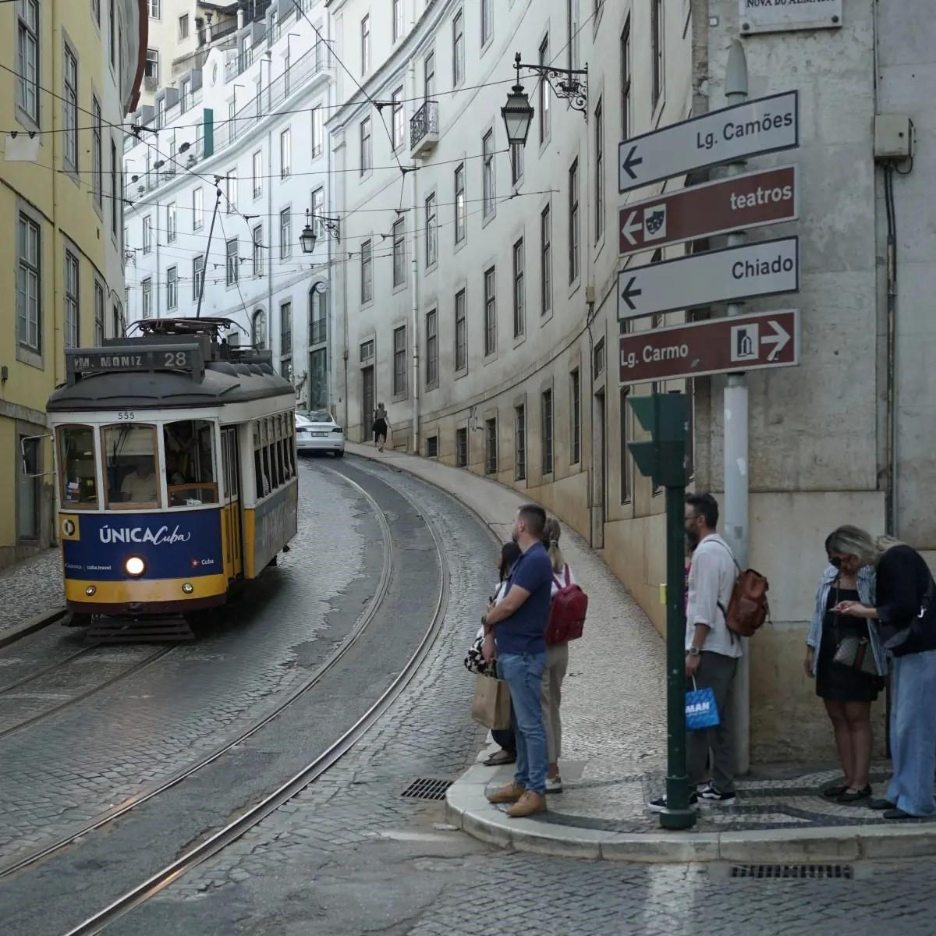







Turning My Lisbon Trip into an Exhibition
Marble gives you two ways to generate 3D scenes. You can upload an image, or you can use a text prompt. I started by selecting some of my photos from Lisbon. I uploaded several options, then picked the cleanest, most natural-looking 3D scene results.
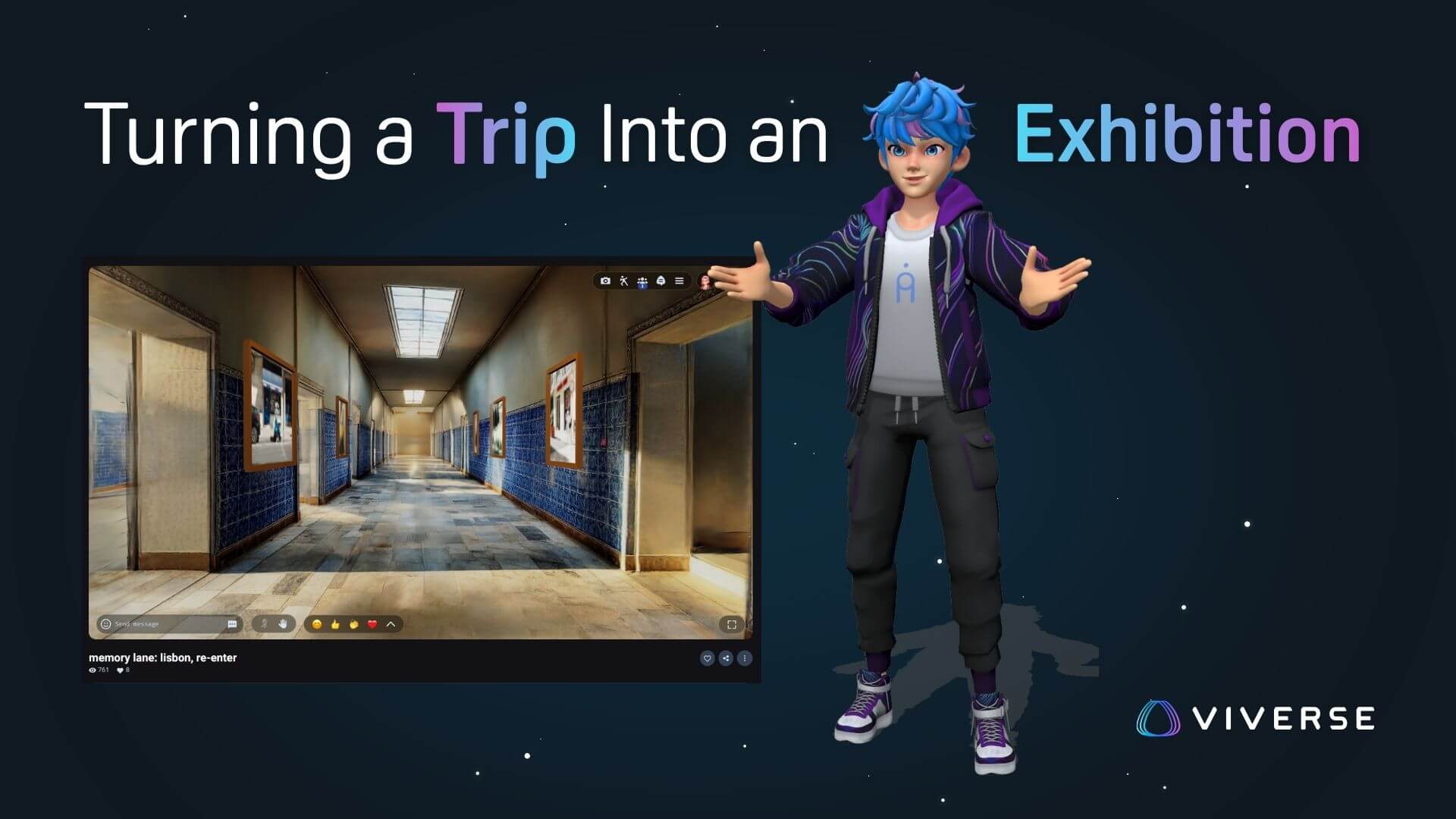
But I still had a problem. Having the photos and the 3D worlds wasn’t enough; I needed a venue. I wanted something with a Portuguese vibe. I pictured a corridor lined with classic blue azulejos tiles. So, I used a text prompt in Marble to generate a corridor that doesn’t exist in the real world but carries the distinct feel of Lisbon to serve as the main exhibition space.
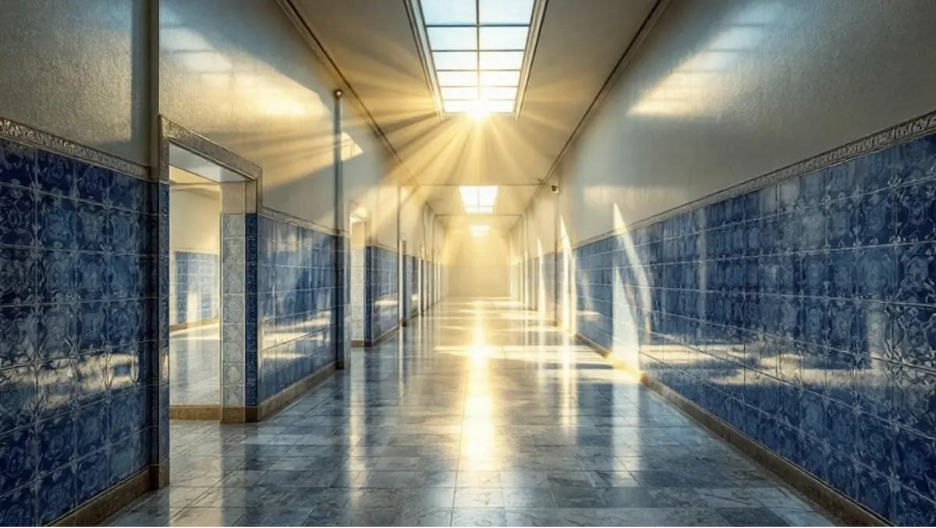
Next, I exported the scenes as Splats (low-res PLY) and Collider Meshes (GLB) and threw them all into a PlayCanvas project file. As someone who can’t code to save his life, and is too lazy to fiddle with complex software, I set up the MCP (Model Context Protocol) and let Claude do the heavy lifting: calibrating model positions, generating frames, and so on. Piece by piece, the immersive exhibition came together. Finally, I hit “Upload to VIVERSE,” and just like that, I had a URL leading straight to Lisbon.
Now visitors can browse the corridor, reflect on a photo they see before stepping right into it to experience the 2D photo as a 3D scene.
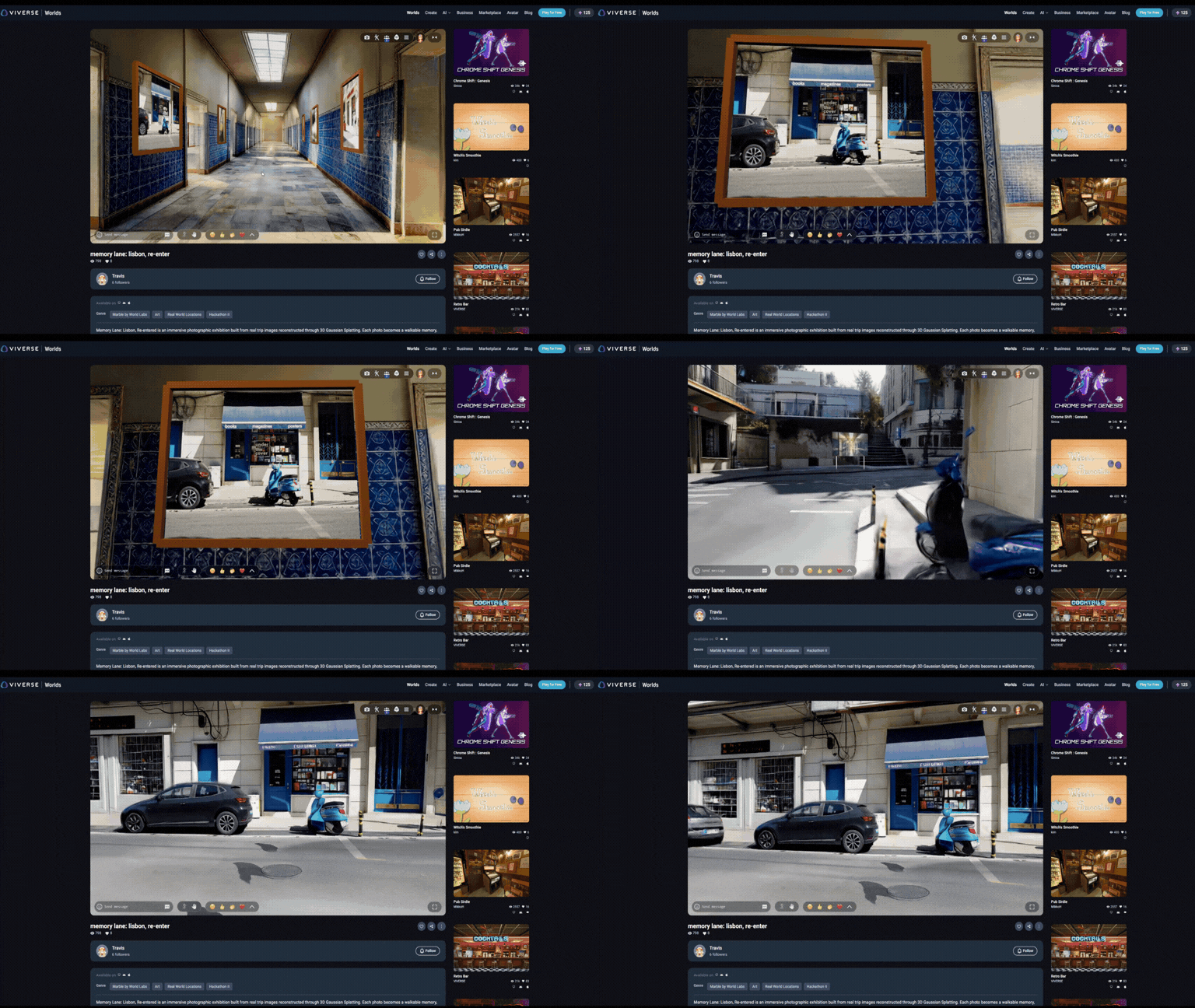
An Easter Egg from the Creator
I titled this exhibition “Memory Lane” because the texture of 3DGS is strikingly similar to memory itself. Memory is never reliable or uniform; it is selective. It grasps only a few fleeting moments, skips over vast blanks, and retains fragmented highlights rather than every detail. 3DGS is the same. The world reconstructed by Marble isn’t complete or smooth; it skips, it has gaps, and the edges of the world dissolve into mist. But it is precisely this dreamlike imperfection that overlaps perfectly with the texture of memory.
By the way, this world is officially titled “Memory Lane: Lisbon, Re-enter.“ It is my personal entry for the internal HTC VIVERSE Hackathon. If you find it interesting, please come in and take a look (no ticket required) and remember to leave a like.